
MOHS MICROGRAPHIC SURGERY
The Gold Standard for Skin Cancer Treatment in Lancashire
Advanced Mohs Micrographic Surgery from Consultant Plastic, Reconstructive & Mohs Surgeon Mr Richard Wain, helping patients across Preston, Lancashire and the North West achieve exceptional cure rates whilst preserving as much healthy tissue as possible.
MOHS MICROGRAPHIC SURGERY
The Gold Standard for Skin Cancer Treatment in Lancashire
Advanced Mohs Micrographic Surgery from Consultant Plastic, Reconstructive & Mohs Surgeon Mr Richard Wain, helping patients across Preston, Lancashire and the North West achieve exceptional cure rates whilst preserving as much healthy tissue as possible.
ABOUT THE PROCEDURE
What Is Mohs Micrographic Surgery?
Mohs Micrographic Surgery is a highly specialised technique designed to remove skin cancer whilst preserving as much healthy tissue as possible. During the procedure, each layer of tissue is examined immediately under a microscope, allowing any remaining cancer cells to be identified and removed before reconstruction takes place. This approach provides the highest cure rates while minimising unnecessary tissue removal.
WHY MOHS?
Why Patients Choose Mohs Surgery
Highest Cure Rates
Up to 99% cure rates for many Basal Cell Carcinomas.
Tissue Preserving
Removes only tissue affected by cancer.
Immediate Microscopic Assessment
Cancer margins are examined during surgery.
Same-Day Reconstruction
Reconstruction is completed once the cancer has been fully removed.
Lower Recurrence Rates
Reduces the chance of skin cancer returning.
Excellent Cosmetic Outcomes
Particularly beneficial for visible areas such as the face, nose and ears.
WHY MOHS?
Why Patients Choose Mohs Surgery
Highest Cure Rates
Up to 99% cure rates for many Basal Cell Carcinomas.
Tissue Preserving
Removes only tissue affected by cancer.
Immediate Microscopic Assessment
Cancer margins are examined during surgery.
Same-Day Reconstruction
Reconstruction is completed once the cancer has been fully removed.
Lower Recurrence Rates
Reduces the chance of skin cancer returning.
Excellent Cosmetic Outcomes
Particularly beneficial for visible areas such as the face, nose and ears.
YOUR CONSULTANT
Specialist Expertise You Can Trust
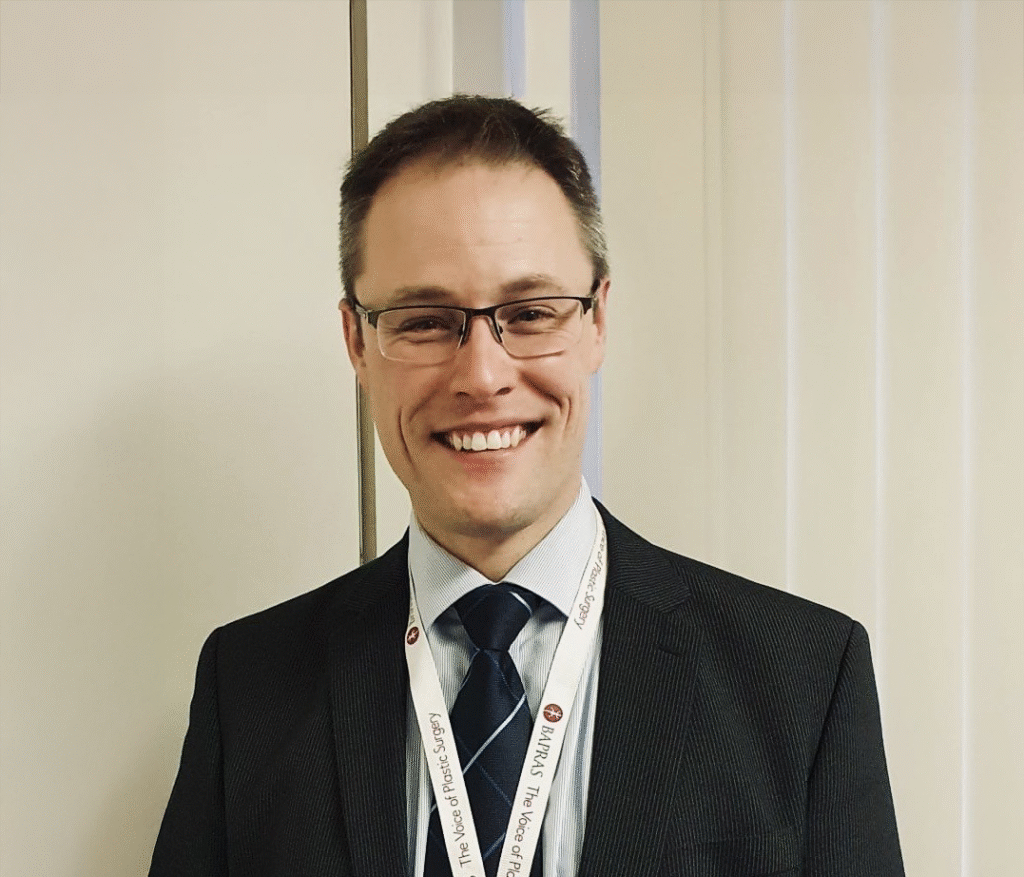
Mr Richard Wain is a Consultant Plastic, Reconstructive & Mohs Micrographic Surgeon who established Lancashire’s first Plastic Surgery Mohs Unit. He combines specialist fellowship training, extensive NHS experience and a patient-centred approach to deliver exceptional skin cancer care.
YOUR CONSULTANT
Specialist Expertise You Can Trust
Mr Richard Wain is a Consultant Plastic, Reconstructive & Mohs Micrographic Surgeon who established Lancashire’s first Plastic Surgery Mohs Unit. He combines specialist fellowship training, extensive NHS experience and a patient-centred approach to deliver exceptional skin cancer care.
OUR DIFFERENCE
What makes our services exceptional
Friendly Hospital
Experience compassionate care in a welcoming environment
Consultant Lead Care
Our top consultants ensure you receive the highest level of care.
Excellent Infection Prevention
Your safety is our top priority, and we maintain strict cleanliness to prevent infections.
Patient Centred Care
Dedicated support staff available to guide you every step of the way.
NHS e-Referral
We partner with NHS Trusts and private patients to deliver fast, high-quality day care.
Free On-site Car Parking
Convenient and free parking available right at our doorstep.
OUR DIFFERENCE
What makes our services exceptional
Friendly Hospital
Experience compassionate care in a welcoming environment
Consultant Lead Care
Our top consultants ensure you receive the highest level of care.
Excellent Infection Prevention
Your safety is our top priority, and we maintain strict cleanliness to prevent infections.
Patient Centred Care
Dedicated support staff available to guide you every step of the way.
NHS e-Referral
We partner with NHS Trusts and private patients to deliver fast, high-quality day care.
Free On-site Car Parking
Convenient and free parking available right at our doorstep.
FAQS
Frequently Asked Questions
What does “Mohs” stand for?
Mohs Micrographic Surgery is named after Dr Frederic Mohs, the surgeon who developed the technique. Today, it is recognised as the gold standard for treating many types of skin cancer, combining precise tumour removal with immediate microscopic examination to maximise cure rates while preserving healthy tissue.
What is Mohs Micrographic Surgery?
Mohs Micrographic Surgery is a specialised procedure used to treat certain skin cancers. Cancerous tissue is removed in stages and examined under a microscope during the procedure, allowing any remaining cancer cells to be identified and removed immediately. This helps preserve as much healthy tissue as possible while achieving the highest cure rates.
Who is Mohs surgery suitable for?
Mohs surgery is most commonly recommended for Basal Cell Carcinoma (BCC), particularly when the cancer is located in cosmetically or functionally important areas such as the face, nose, ears, eyelids or neck. It may also be recommended for recurrent skin cancers or tumours with poorly defined borders.
Do you accept patients from outside Preston?
Yes. Greater Lancashire Hospital welcomes patients from Preston, across Lancashire and throughout the North West, as well as those travelling from further afield for specialist Mohs Micrographic Surgery. If you have been diagnosed with skin cancer or have been referred for Mohs Surgery, our team can advise you on the referral process and help you plan your visit.
How long does Mohs Surgery take?
Mohs surgery is performed over several stages during the same day. Between each stage, the removed tissue is examined under a microscope while you wait. Depending on the size and complexity of the tumour, you should expect to remain at the hospital for most or all of the day.
Will my wound be repaired on the same day?
Yes. Once all cancer cells have been removed and complete clearance has been confirmed, the wound is reconstructed during the same visit whenever appropriate. The method of reconstruction depends on the size and location of the wound and may involve direct closure, a skin graft or a local skin flap.
Why is Mohs Surgery considered the gold standard?
Mohs surgery offers the highest cure rates—up to 99% for many Basal Cell Carcinomas— while preserving as much healthy tissue as possible. By examining the entire tumour margin during surgery, any remaining cancer cells can be identified and removed immediately, reducing the risk of recurrence and helping achieve excellent cosmetic outcomes.
What is the recovery time after Mohs Surgery?
Recovery varies depending on the size and location of the treated area, as well as whether reconstruction is required. Most patients can return to light daily activities within a few days, although strenuous exercise should usually be avoided for one to two weeks. Your consultant will provide personalised aftercare advice to support healing and achieve the best possible outcome.
Posted on Google
 Victoria Smith
Trustindex verifies that the original source of the review is Google.
Had a really positive experience here with Dr Craven. She could not have done more to help. Would highly recommend.Posted on Google David CoupeEasy parking very friendly staff great doctor excellent service,thank you.Posted on Google
 Greeshma SreeMy visit to Greater Lancashire Hospital today for an ultrasound scanning appointment left me thoroughly impressed. All the three staffs, including the receptionist, were incredibly kind and attentive, creating a welcoming atmosphere for all patients. I must highlight the exceptional service provided by the receptionist, whose warmth and kindness stood out. She exemplified extraordinary care and made sure every patient felt valued and respected. Overall, the hospitality demonstrated by the staffs is a shining example of inclusion and diversity in healthcare. I highly recommend this hospital for their exceptional service and compassionate staff.Posted on Google
 mark wareingWent for an ultra sound scan on my neck and I’ve got to say the treatment was first class the staff were very helpful and sympathetic. Well done keep it up guys 👏Posted on Google
 Jan CraneWhat an amazing place. Staff are so kind and helpful and from the second we got there it felt the care was very personal. Mum saw Dr Dobson. Honestly can say he was the craziest, nicest Doctor I have ever met. Don't know what he is on but I could do with some of it. Thanks to all staff there for being so caring.Posted on Google
 Lauren HallI met with Dr. Scholfield after being told I would be waiting 9 months to see the Cardiology Dept at the NHS. This was honestly the best thing I have ever done. I finally received a diagnosis and understanding of my condition and Dr. Scholfield was brilliant. An excellent cardiologist and takes great pride in caring for his patients. Thanks Greater Lancashire!Posted on Google
 Linda BarrettI attended this hospital today for the first time. It is very accessible and easy to find and park. I was treated with kindness, and dignity. The care I received from both clinical and none clinical staff was of the highest quality. Thank you for seeing me today. Your professional approach and care were very much appreciated. Thank youPosted on Google
 jo humphriesWell signposted, plenty of parking, very friendly reception and clinical staff who are also very knowledgable. Fast efficient and friendly. Highly recommended.
FAQS
Frequently Asked Questions
What does “Mohs” stand for?
Mohs Micrographic Surgery is named after Dr Frederic Mohs, the surgeon who developed the technique. Today, it is recognised as the gold standard for treating many types of skin cancer, combining precise tumour removal with immediate microscopic examination to maximise cure rates while preserving healthy tissue.
What is Mohs Micrographic Surgery?
Mohs Micrographic Surgery is a specialised procedure used to treat certain skin cancers. Cancerous tissue is removed in stages and examined under a microscope during the procedure, allowing any remaining cancer cells to be identified and removed immediately. This helps preserve as much healthy tissue as possible while achieving the highest cure rates.
Who is Mohs surgery suitable for?
Mohs surgery is most commonly recommended for Basal Cell Carcinoma (BCC), particularly when the cancer is located in cosmetically or functionally important areas such as the face, nose, ears, eyelids or neck. It may also be recommended for recurrent skin cancers or tumours with poorly defined borders.
How long does Mohs Surgery take?
Mohs surgery is performed over several stages during the same day. Between each stage, the removed tissue is examined under a microscope while you wait. Depending on the size and complexity of the tumour, you should expect to remain at the hospital for most or all of the day.
Will my wound be repaired on the same day?
Yes. Once all cancer cells have been removed and complete clearance has been confirmed, the wound is reconstructed during the same visit whenever appropriate. The method of reconstruction depends on the size and location of the wound and may involve direct closure, a skin graft or a local skin flap.
Why is Mohs Surgery considered the gold standard?
Mohs surgery offers the highest cure rates—up to 99% for many Basal Cell Carcinomas— while preserving as much healthy tissue as possible. By examining the entire tumour margin during surgery, any remaining cancer cells can be identified and removed immediately, reducing the risk of recurrence and helping achieve excellent cosmetic outcomes.
Do you accept patients from outside Preston?
Yes. Greater Lancashire Hospital welcomes patients from Preston, across Lancashire and throughout the North West, as well as those travelling from further afield for specialist Mohs Micrographic Surgery. If you have been diagnosed with skin cancer or have been referred for Mohs Surgery, our team can advise you on the referral process and help you plan your visit.
What is the recovery time after Mohs Surgery?
Recovery varies depending on the size and location of the treated area, as well as whether reconstruction is required. Most patients can return to light daily activities within a few days, although strenuous exercise should usually be avoided for one to two weeks. Your consultant will provide personalised aftercare advice to support healing and achieve the best possible outcome.
Expert care starts here.
Whether you’re seeking a consultation, diagnosis, or treatment, our team is here to help you every step of the way.
Posted on GoogleVictoria SmithHad a really positive experience here with Dr Craven. She could not have done more to help. Would highly recommend.Posted on GoogleDavid CoupeEasy parking very friendly staff great doctor excellent service,thank you.Posted on GoogleGreeshma SreeMy visit to Greater Lancashire Hospital today for an ultrasound scanning appointment left me thoroughly impressed. All the three staffs, including the receptionist, were incredibly kind and attentive, creating a welcoming atmosphere for all patients. I must highlight the exceptional service provided by the receptionist, whose warmth and kindness stood out. She exemplified extraordinary care and made sure every patient felt valued and respected. Overall, the hospitality demonstrated by the staffs is a shining example of inclusion and diversity in healthcare. I highly recommend this hospital for their exceptional service and compassionate staff.Posted on Googlemark wareingWent for an ultra sound scan on my neck and I’ve got to say the treatment was first class the staff were very helpful and sympathetic. Well done keep it up guys 👏Posted on GoogleJan CraneWhat an amazing place. Staff are so kind and helpful and from the second we got there it felt the care was very personal. Mum saw Dr Dobson. Honestly can say he was the craziest, nicest Doctor I have ever met. Don't know what he is on but I could do with some of it. Thanks to all staff there for being so caring.Posted on GoogleLauren HallI met with Dr. Scholfield after being told I would be waiting 9 months to see the Cardiology Dept at the NHS. This was honestly the best thing I have ever done. I finally received a diagnosis and understanding of my condition and Dr. Scholfield was brilliant. An excellent cardiologist and takes great pride in caring for his patients. Thanks Greater Lancashire!Posted on GoogleLinda BarrettI attended this hospital today for the first time. It is very accessible and easy to find and park. I was treated with kindness, and dignity. The care I received from both clinical and none clinical staff was of the highest quality. Thank you for seeing me today. Your professional approach and care were very much appreciated. Thank youPosted on Googlejo humphriesWell signposted, plenty of parking, very friendly reception and clinical staff who are also very knowledgable. Fast efficient and friendly. Highly recommended.
Expert care starts here.
Seeking a consultation, diagnosis, or treatment? Our team is here to help you every step of the way.